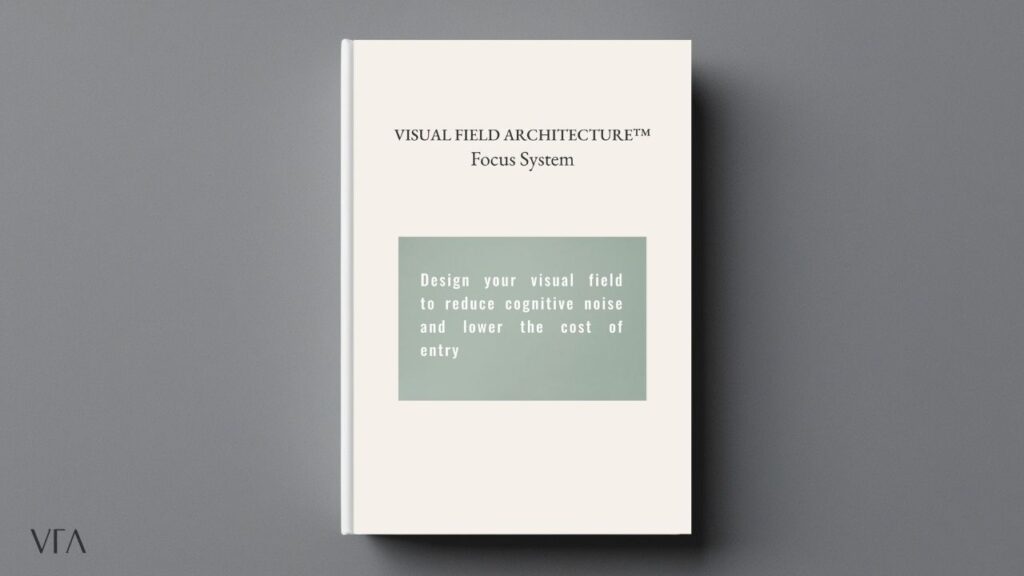
Visual Field Architecture™
A structural framework for looking at visual noise, the effort of starting, and attention before focused work begins.
THE REAL PROBLEM
The environment is already asking for attention.
The book explores the role of open tabs, visible objects and other surroundings in preparing to begin.
When the environment feels cognitively expensive,
starting begins to feel heavier than the task itself.
The book offers a framework for examining the environment you begin in.
FOCUS IS SHAPED BEFORE IT IS FORCED.
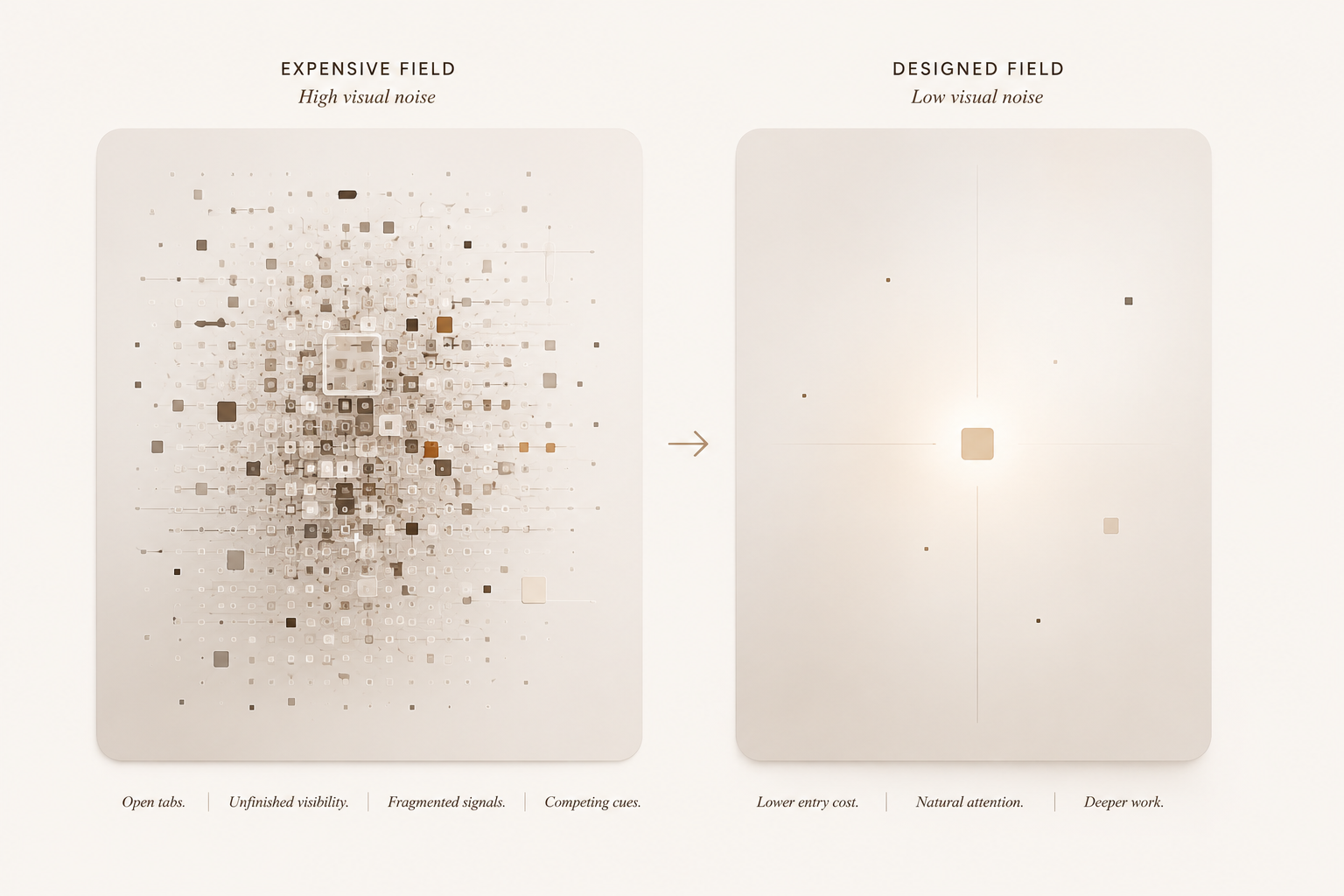
the screen is not neutral
Inside the system
The book explores how visual environments influence attention, cognitive load, and the experience of starting focused work.
Visual Noise
Exploring unfinished tasks and visual reminders around your work.
Entry Cost
Why starting often feels heavier than the work itself.
Focus Modes
Designing visual conditions for different cognitive states.
The Entry Protocol
A short transition system for entering focused work.
Cognitive Reduction
Removing unnecessary visual demand before optimization.
Return & Continuity
Creating environments that ease re-entry after interruption.
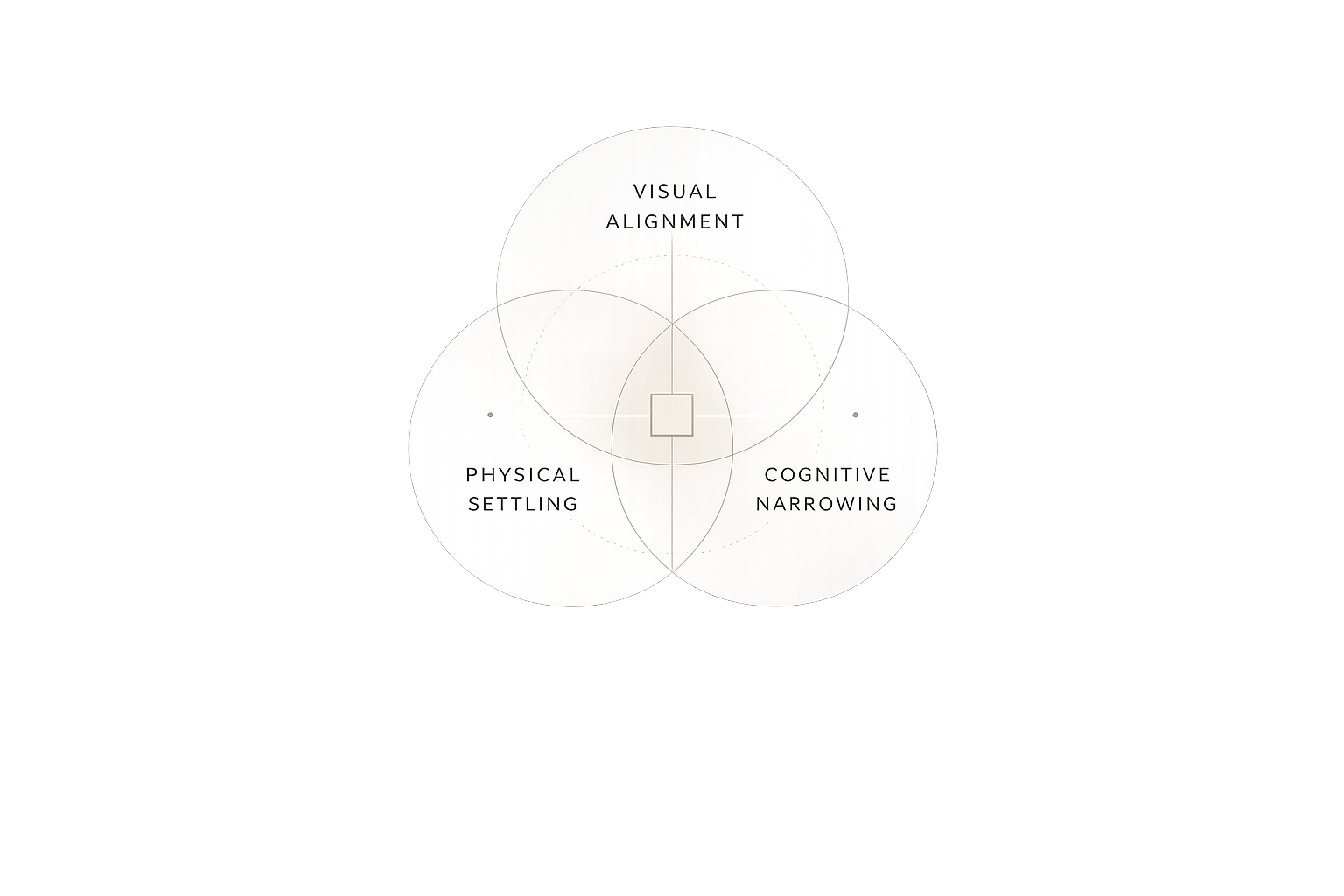
The 3-Minute Entry Protocol
A short transition system designed to reduce internal resistance before focused work begins.
The protocol combines:
visual alignment
physical settling
cognitive narrowing
to create a repeatable point of entry into work.
This is not a ritual. It is a doorway.
Continue the architecture
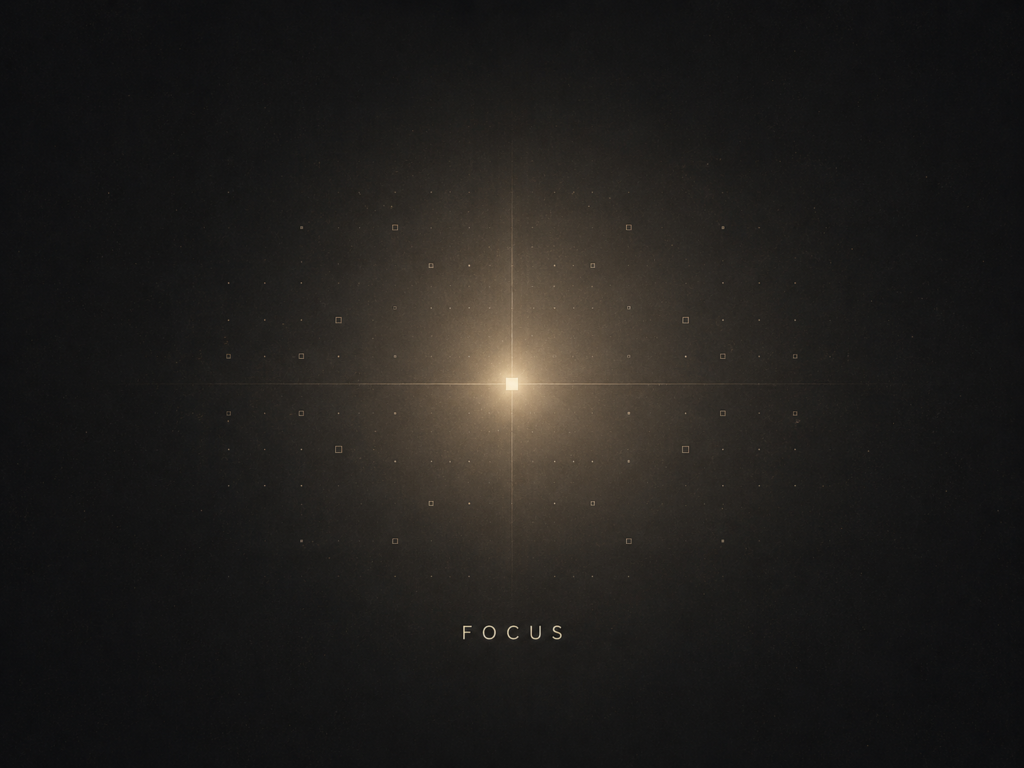
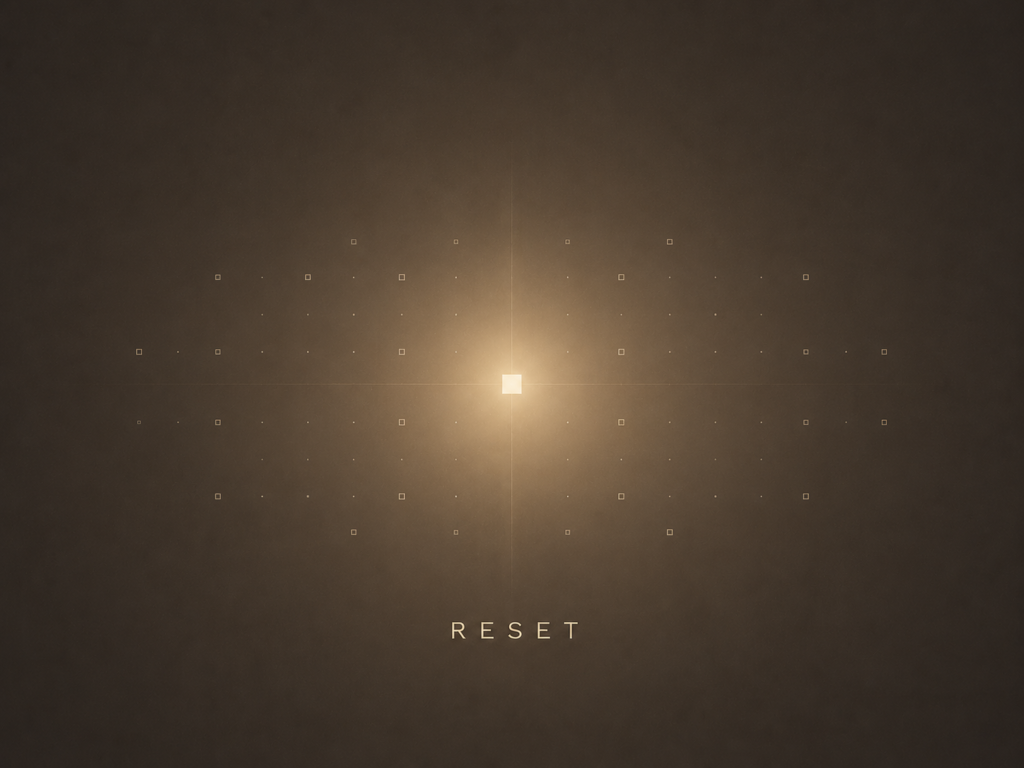
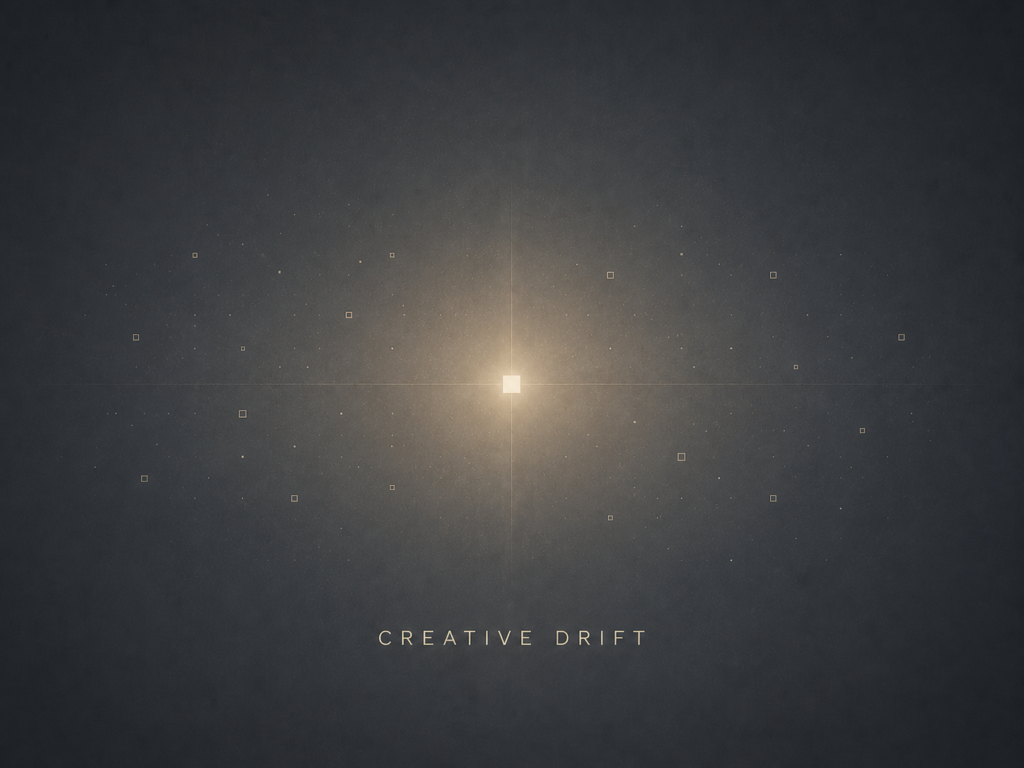
The Visual Tools extend the system into daily use through applied visual fields designed for focus, reset, clarity, and creative drift, with new cognitive states continuing to evolve over time.